


ROCKDALE BLACKBERRY FARMS

Rainbow that appeared over the entrance to our farm on July 18, 2010

 
Leonard and Lynda Kubiak of Rockdale
Our primary mission is the production of organic blackberries, preservation of wildlife, leaving a very small footprint on this planet by growing our own food, producing our own energy, spreading beauty, helping others to go green.
WHAT'S HAPPENING AT THE FARM THIS MONTH
We're currently gathering berries for the 2020 berry season .
Our Brazos berry plants are availble for 99.95 for 10 healthy plants including shipping. 100% of our berry plant proceeds goes toward food for the wild critters on our 32 acre preserve.
BRAZOS BLACKBERRY PLANTS
|
 |
| $99.95
|
|
CATALOG NO. brazos10
10 Brazos Blackberry Starter Plants & Shipping
10 select Brazos Blackberry Plants. Price includes packing and shipping for 10 plants.
Usually ships in 5-7 business days.
|
|
A Virtual Tour of the Farm.
THE FARM IN 2017
2019 proved to be a record year for berry production and thanks to our deep water well and a few timely showers throughout the year, we harvested several hundred gallons of berries. We have started gathering berries for the 2020 season.


Our vegetable garden continues to improve each year with the addition of compost and other soil building techniques. With record rainfalls, we converted all that growth to tons of compost added back to our gardens and berries.


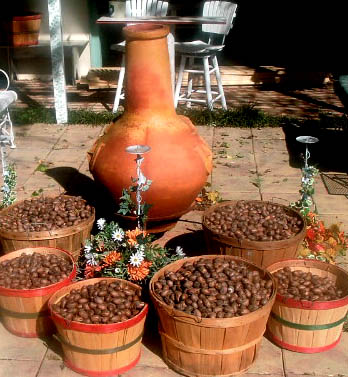
Our butterfly gardens are now home to clouds of butterflies, humming birds, lunar moths, toads, tree frogs and lizards of virtually every shape and size. Even a few bull frogs spring out in the early morning hours that can give your heart a jump start!!
We planted our native wild flower seeds and got another dazzling display of color this spring. Now with the latest rain, morning glories are blooming all over the place. Our Crape Myrtles and awsome Canta Lilies add to the park-like appearance of the farm.
HEALTH BENEFITS OF BLACKBERRIES

When the plant antioxidant story became public a few years ago, one of the first fruits to rise to the top of the ORAC charts was the blackberry (Rubus ursinus). Known as the "cabernet" of berries for their earthy, wine-like taste, blackberries are an easy and healthy addition to anyone's diet.
This fruit has multiple macronutrients � high dietary fiber (up to 20% by weight), carbohydrates, heart-healthy polyunsaturated fats (especially in its numerous chewable seeds), low overall fat content (<1%) and protein combined with high micronutrient levels of vitamins, antioxidants and minerals. Blackberries are a particularly good source of vitamin A, potassium and calcium.
Blackberries Are Rich in antioxidant vitamins A and C
Possibly the most promising benefit from consuming blackberries is their substantial quantity of phenolic acids which are antioxidant compounds known as potent anti-carcinogenic agents, as well as having numerous other potential health benefits.
Phenolics in blackberries include anthocyanins, ellagic acid, rutin, gallic acid, hydrocaffeic acid, p-coumaric acid and cinnamic acid, plus excellent contents of the antioxidant vitamins A and C.
Nutritious blackberries are a great addition to recipes or as a healthy fresh snack by the handful. Blackberries don't have to be fresh to be nutritious, as quick-frozen and canned berries retain most of the fresh fruit qualities.
Flash freezing, which is used to make IQF (immediately quick frozen) blackberries, helps trap nutrients and plant chemicals soon after harvest and provides for a healthier fruit. Increasingly seen in whole foods stores across the US and Canada, blackberries (especially Marionberries) can be purchased frozen in one pound bags year round.
What is the antioxidant strength of blackberries and what chemicals account for it? Due to their rich contents of the phenolics mentioned above, blackberries have an ORAC value (oxygen radical absorbance capacity) of about 5350 per 100 grams, making them near the top of ORAC fruits. Cranberries and wild blueberries have around 9350 ORAC units, black raspberries about 12,000 and apples average 3100.
HISTORY OF BLACKBERRIES
Because blackberries have grown in Europe for thousands of years and were in use by native Americans when the US and Canadian West was opened, historical practices and folklore have survived on both sides of the Atlantic.
European blackberry juice was used to treat infections of the mouth and eyes until the 16th century. In the Pacific Northwest, the powdered bark of blackberry brambles was used for toothache relief. A tea made from blackberry leaves is said to aid digestion or arrest vomiting according to First Nations tribes in Washington State and British Columbia. Blackberry root concoctions have been used to remedy dysentery.
Blackberries contain relatively high quantities of ellagic acid, tannins and cyanidin glycosides. These are antioxidant phenolics that have a wide range of potential health benefits under current research.
The following anti-disease properties have been isolated in experimental models during studies specifically on blackberries. With their close relatives � red or black raspberry and boysenberry � medical research among all the Rubus species likely applies to one another. Accordingly, see this section in other essays on the red raspberry and black raspberry.
Although there are no clinical studies to date proving these effects below in humans, medical research shows likely benefit of regularly consuming blackberries against:
pleurisy and lung inflammation
anti-thrombosis (inhibition of blood clotting)
several types of cancer
endotoxin shock
cardiovascular diseases
diabetes
age-related cognitive decline.
A member of the rose family (Rosacea) and Rubus species of brambleberries (also called "caneberries"), the blackberry has become our most important fruit export. As with other Rubus species, blackberries have a unique structure that actually contributes to their nutritional value � it is an "aggregate fruit" composed of many individual drupelets, each like a small berry with one seed, surrounding a firm core called the receptacle. These individual drupelets contribute extra skin, seeds and pectin with dietary fiber value to the nutritional content of blackberries, making it among the highest fiber content plants known.

We came home one evening in early October to discover a huge K written in the skies above the Kubiak farm. That was just too co-incidental.
The following are scenes from the farm taken in the July/August 2007 timeframe.


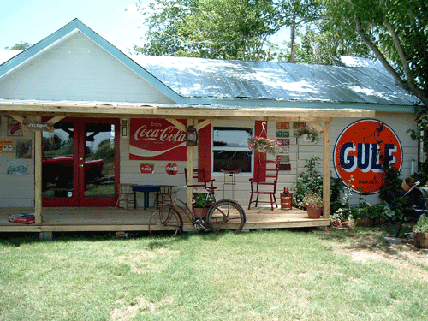


Critter Sightings at the Farm

The past few months, we have enjoyed seeing the following wildlife critters at the Blackberry farm in Rockdale Texas. We keep feed out for the critters and they visit our farm on a regular basis.
Some of the abundant wildlife sightings here at the farm include:


BLACKBERRY PRODUCTION AT THE ROCKDALE FARM


BLACKBERRY INFORMATION
Blackberries ranked as one of the top foods rich in vitamins, antioxidants, minerals and fiber.
A university study recently tested over 100 foods. Blackberries ranked the highest in per-serving cancer-fighting levels of antioxidents. Here is a ranked list of the top 10 fruits, vegetables and nuts:
1. Blackberries
2. Walnuts
3. Strawberries
4. Artichokes, prepared
5. Cranberries
6. Coffee
7. Raspberries
8. Pecans
9. Blueberries
10. Cloves, ground
At Rockdale Blackberry Farms, we are experimenting with a variety of blackberry types including the following:
Brazos Blackberries
Brazos is an erect blackberry released by the Texas Agricultural Experiment Station in 1959. It is early and has very large, fair quality fruit that is maintained over the entire fruiting season. The fruit is slightly sour and rather seedy. It is productive and is well adapted to fresh market outlets.
Cheyenne
Cheyenne was developed in 1977 by the University of Arkansas. Fruit is sweet, large and has a slight raspberry flavor. It ripens mid season.
Brison
Brison is a large, erect, high-yielding blackberry developed in 1977 by Texas A&M. Its fruit is firmer and sweeter than and it ripens in mid May.
Rosborough
Rosborough is another high-yielding berry developed in 1977 by Texas A&M . The fruit is firmer with smaller seeds than Brazos. Canes are very vigorous and thorny. It is adapted to the entire state. However, the Rosborough is very susceptible to rosette disease.
Shawnee
Shawnee is a consistent high yielder with medium large fruit. This University of Arkansas 1983 release ripens about one week later than Cheyenne. A peak in production during the harvest season is not apparent. Shawnee produces heavily for several consecutive weeks, making it an excellent PYO variety. The soft berries do not store or ship well. Shawnee is very susceptible to double blossom disease.
Choctaw
Choctaw is a 1989 release for the University of Arkansas that has erect canes and medium-size fruit. It is a very early variety with small seeds. The fruit is soft, with handling and storage qualities similar to Shawnee. Choctaw has a chill hour requirement of 300 � 400 hours and is susceptible to late freezes. It is susceptible to rosette disease. Choctaw is recommended for trial for early blackberries.
Kiowa
Kiowa is a 1996 release from the University of Arkansas with erect canes and very large fruit. The fruit is the largest of the Arkansas varieties, and the storage and handling qualities are good. Kiowa blooms just after Choctaw and Shawnee.
Chickasaw
Chickasaw is a 1998 release from the University of Arkansas with erect canes and very large fruit ripening near Shawnee. Storage and handling qualities of the fruit are better than Shawnee. Plants are high yielding. Chickasaw is susceptible to Rosette.
Arapaho:
Arapaho is the earliest ripening erect thornless variety. Fruit is medium size. Yields are about 60 percent of those of Shawnee. Fruit begins ripening a few days ahead of Shawnee. Arapaho is a 1993 release from the University of Arkansas that appears to be resistant to orange rust and rosette diseases. Arapaho has chilling requirements of 400 � 500 hours. Arapaho is recommended for commercial and home use.
Navaho:
Navaho is an erect blackberry with thornless canes. It has medium-size fruit with high sugar content and excellent flavor. It has firm berries with perhaps the best post-harvest shelf life. Yields are 60 percent to 75 percent of those of Shawnee. Navaho is tolerant of rosette but susceptible to orange rust. It is a 1989 release from the University of Arkansas. Navaho has an extended ripening season, beginning one week after Shawnee and continuing two weeks later than the last Shawnee harvest. Navaho has a chill hour requirement of 800 - 900 hours.
Apache:
Apache is a 1999 erect thornless blackberry release from the University of Arkansas. It has the largest fruit and highest yield of the Arkansas thornless blackberries. Fruit ripening is approximately five days after Navaho. Plants appear to be resistant to rosette disease and orange rust. White druplets or sunburn have sometimes been noted as a problem. Apache is believed to have chill hour requirements similar to Navaho.
Ouachita:
Ouachita is a 2003 erect thornless blackberry release from the University of Arkansas. The fruit is large and has good storage and handeling qualities. Fruit ripens with Kiowa and extends for about five weeks. Ouachita is resistant to rosette disease.
TIPS FOR GROWING BLACKBERRIES
Blackberries are easy to grow in home gardens. Blackberries are biennials and begin bearing the year after planting. The first year they can bear 2,000 pounds per acre, or about 8 gallons per 100 feet of row. Plants may produce for 15 years if managed; but, the best production is usually during years 3 through 8. Blackberries grow best in sandy soil; however, they can be grown in soils that are at least one foot deep, have good drainage, and have a range of pH 4.5 to pH 7.5. On soils with a pH of 8.0 or above, plants will experience severe iron chlorosis and chelate will be needed. If internal soil drainage is not fast, grow blackberries in a raised bed.
Blackberries are a warm southern climate crop and can be grown anywhere in USDA Hardiness Zone 7, 8, or 9. Rainfall or irrigation will be needed weekly.
PLANTING TIPS
Planting is usually done using root cuttings about the size of a pencil, which are dug in winter, and may be stored in moist sawdust or sphagnum moss wrapped in plastic. They are laid horizontally in the ground about 2 inches to 4 inches deep and 2 to 3 feet apart in the row. Dormant bareroot blackberry plants may also be planted during the winter. Plants should be spaced two to three feet apart in rows eight to twelve feet apart. Nursery plants in containers can be planted at any time of year, although early spring is best and watering will be critical.
PRUNING TIPS
Pruning is necessary to control diseases.During the first year, growth is sprawling and does not need topping. Although blackberry roots are perennial, tops are biennial. Prima canes are produced the first year and produce rapid vegetative growth only. Cut prima canes back when they reach 36 to 48" to encourage branching. Floricanes are the second year of the biennial cycle and bloom in March. The fruit ripens in May. After fruiting, the floricanes will die and should be cut to the ground. To make picking easier, some growers hedge the rows to a 4' height and a 3' width while others train the prima canes onto a vertical three wire trellis. Every three years mature plants need to be mowed to the ground to remove diseased wood and rejuvenate growth. This usually reduces yield the following year. It should only be attempted where irrigation can stimulate prima cane growth by the end of the season.
FERTILIZATION
Fertilization should be limited to nitrogen applied in small amounts in a band along the row, beginning at bloom. An initial soil test will indicate some deficiencies as well as pH. If soil pH is over 8.0, blackberries can show iron chlorosis, which is corrected with soil applications of Fe 138 Iron Chelate or foliar iron sprays every three to four weeks.
IRRIGATION
Irrigation is required for both new plantings and mature bearing plants. Drip irrigation lines can be buried at planting time, or laid on top of the ground beside the plants and covered with mulch. Begin irrigation in March or April and reduce watering by September in order to slow new growth and allow hardening of the canes. Infrequent winter irrigations may be needed during drought years.
WEED CONTROL
Weed control maximizes yields and minimize harvesting problems. If there are perennial weeds in the planting area, these should be killed before planting. They may be sprayed with glyphosate or glufosinate the year before planting berries. A mulch of hay or rotted wood chips will help to slow weed growth. Preemergent herbicides, Surflan and low rates of Simazine, may be applied by commercial growers.
HARVESTING TIPS
Blackberries should be picked every three days to obtain a maximum sugar content. Keep berries under refrigeration. The storage life is only one day without refrigeration.
CONNIE'S RECIPE FOR BLACKBERRY FRIED PIE
1/2 cup sugar
1 tablespoon cornstarch
1/2 cup water
2 cups blackberries fresh
2 cups flour, all-purpose
1/4 teaspoon baking soda
1/4 teaspoon salt
1/2 cup vegetable oil
1/3 cup milk
1 x vegetable oil for frying
Directions
Combine sugar, cornstarch and water in a saucepan; add
berries.
Cook and stir over medium heat until the mixture comes to a
boil.Then
Cook and stir for 2 minutes & set aside to cool.
Make the dough: Combine flour, baking soda and salt.
Combine oil and milk & stir into dry ingredients until mixture
forms a ball.
Roll out on a cutting board to 1/8-inch thickness dough; cut into ten (10) 4-1/2 inch circles.
Place 1 tablespoon blackberry filling on each circle. Fold over & seal edges with a fork.
Fry the pies in a skillet over medium heat in 1/4 to 1/2 inch hot oil
until golden brown, about 1 1/2 minutes per side.
Drain on paper towels.
PERSIMMONS-FOOD OF THE GODS
Firm-ripe persimmons are medium sized, oval or squarish like a flattened apple or tomato; they range from pale orange to deep red-orange in color, and are non-astringent when firm-ripe.
They are edible and delicious in their crisp firm state. However, they will have their best flavor if allowed to rest and soften slightly after harvest.

Our Persimmon trees here at the farm are loaded with tasty fruit that we're gathering by the bushel and making into Jams and Jellies.
The edible skins tend of the persimmon tend to be tough. Remove the skins with a potato peeler or sharp thin knife. Or, blanch fruit in boiling water 2 to 3 minutes, then dip them in cold water, as you would to peel a tomato. Slip off the skins when the fruit is cool enough to touch. Leave the skins intact if you intend to bake the entire fruit. Eventually, firm-ripe persimmons will become soft like the soft-ripe persimmons and are useable in any recipe calling for Persimmon pulp.
History of the Persimmon
The persimmon native to North America is the diaspyros virginiana that the Algonquin Indians called "putchamin, pasiminan, or pessamin," depending on the tribe. This persimmon was small, seedy and had an unpleasant taste when eaten before it was ripe. This astringent quality is caused by tannin that is in the persimmon before it rippens completely. The diaspyros virginiana persimmon was quite different from the persimmons we see in the markets today. It was the size of a grape and had to be left on the tree into the winter.
Growing wild, it varied in quality from tree to tree. Hernando de Soto and his conquistadors found the Native Americans eating bread made from what they called "prunes." The loaves they were fed were formed from dried persimmons.
The settlers of Jamestown described persimmons as "very sweet and pleasant to the taste, and yields on distillation, after fermentation, a quality of spirits." When Captain John Smith was not busy with Pocahontas, he is quoted as saying, "If it be not ripe it will drawe a mans mouth awrie with much torment; but when it is ripe, it is as delicious as an Apricock."
When Commodore Matthew Perry opened Japan to the West in 1855 he changed the persimmon scene forever. One little known sidelight of his journey was the return to the United States with persimmon trees that were planted in Washington, D.C.
According to Greek mythology, "diaspyros", the botanical name for the persimmon, means "food of the gods."
The Japanese persimmon that is actually a native of China, was imported into Japan at an early date and has become the national fruit and one of the traditional foods for the Japanese New Year. Sometime in the midv1800s, the first persimmon cultivar arrived in California. A sub-tropical plant, the persimmon grows well California and the Southeastern United States.
Today, there are hundreds of varieties of persimmon, but two types are commercially available. The Hachiya dominates with about 90% of the market. It is an astringent fruit, bright orange in color, and shaped like a large, slightly elongated tomato that almost comes to a point at the bottom. Hachiyas must be fully ripe to be enjoyed. Fully ripe means a mushy, intense orange, jelly-like texture that is a turnoff for many people. The taste is compared to that of an overly sweet apricot with a smooth, slippery texture.
The Fuyu, also bright orange in color, is a non-astringent variety slowly gaining in popularity. It is eaten when firm, just like an apple, shiny skin and all. You can recognize a Fuyu by its squat shape and flat bottom, close to the appearance of a medium-sized tomato.
Recipe for Persimmon Jelly
Ingredients for Persimmon Jelly:
4 lbs ripe persimmons
2 cups water
3 tablespoons lemon juice
1 pkg powdered pectin
1 cup honey
Directions:
Wash fruit & remove blossom ends. Place in 6 to 8 quart non reactive pot.
Add water & heat to boil.
Mash persimmons.
Reduce heat and simmer 10 minutes.
Remove from heat & strain to remove pits.
Measure out 3 cups of pulp; stir in lemon juice and pectin & heat to boil. Add honey and bring contents to full boil for 2 minutes, stirring constantly. The jelly is now ready to add to your jar.
Nutritional Breakdown for one
One Medium-size Raw Persimmon
118 Calories, 134.9g Water, 0.3g Fat, 168g Weight, 1.0g Protein, 31.2g Carbohydrate 13mg Vit.C, .03mg Vit.B-2, 13mcg. Folate, 3640 IU Vit.A, 0.5mg Vit.B-1, 0.2mg Niacin, 3mg Sodium, 13mg Calcium, 15mg Magnesium, .18mg Zinc,.596mg Manganese 270mg Potassium, 28mg Phosphorus, .26mg Iron, .190mg Copper.
TAKING CARE OF OUR BEE, WASP, & BUTTERFLY POLLENATOR FRIENDS

Many of our fruits and vegetables such as peaches, plums, cherries, melons, and cucumbers require the presence of bees and other pollinators like wasps, flies and butterflies.You can increase your garden's harvest by planting flowers that provide the pollenators with nectar and pollen. .
Bees need flowers that offer nectar and whose reproductive parts are easy to access. They generally avoid blossoms that are double, preferring "single" flowers that offer an easy landing pad. They also visit tubular flowers. Bees are also color-sensitive and tend to like lavender, blue, purple, yellow and white flowers. They're also attracted by fragrance.
Provide pollinator-attracting flowers throughout the growing season. In early spring, flowering fruit trees � whether or not they're edible-fruit-bearing � are a favorite for bees. Spring-blooming bulbs like daffodils and tulips are of little interest to bees.
Plant the bee-attractive flowers in drifts of at least three to four feet in diameter. Bees typically visit only one type of blossom on any given nectar-gathering trip.
Avoid the use of pesticides as much as possible. If you have to spray, use a product specifically labeled for the pest, follow the instructions and wait until after sunset to apply. Avoid using dust products.
The insects most beneficial to humans are found in the large insect order Hymenoptera. Not only are the bees and many of their relatives pollinators of flowering plants, including fruits and vegetables, but thousands of species of small wasps are parasites of other arthropods including pest insects. Without these parasites that limit the growth of insect populations, pests would overtake most crops.
Yellowjackets, hornets, and wasps feed their young largely on flies and caterpillars.
Many of these stinging insects live in colonies with a caste system or a division of labor and overlapping generations -- all offspring of one individual reproductive. Some of these colonies persist for many years (ants, honey bees) and others, like stinging wasps, start anew each year.
HONEY BEES
The honey bee was introduced into the United States in Colonial America. Honey bees are highly social insects and communicate with each other, relaying direction and distance of nectar and pollen sources. Bees make combs of waxen cells placed side by side that provide spaces to rear young and to store honey. The bee colony lives on the stored honey throughout winters, and therefore, can persist for years.
When colony populations get large, the queen may move part of the colony to new harborage. Bees swarm at this time, usually finding hollow trees to begin their new colony, but they occasionally work their way into building wall voids.
Drones are male bees and they have no stingers. Drones do not collect food or pollen from flowers. Their sole purpose is to mate with the queen. If the colony is short on food, drones are often kicked out of the hive.
Workers, which are the smallest bees in the colony, are undeveloped females. A colony can have up to 60,000 workers. The life span of a worker bee depends upon the time of year. Her life expectancy can be as long as 35 days.
Workers feed the queen and larvae, guard the hive entrance and help to keep the hive cool by fanning their wings. Worker bees also collect nectar to make honey. In addition, honey bees produce wax comb. The comb is composed of hexagonal cells which have walls that are only 2/1000 inch thick, but support 25 times their own weight.
THE AFRICANIZED BEE
The Africanized bee is the same species as the European honey bee kept by beekeepers all over the United States. Introduced into Brazil from southern Africa, it is adapted to longer warm seasons than are northern honey bees.
Africanized bees do not store as much honey to take them through the winter as honey bees do. They have smaller colonies and tend to swarm more often. Smaller swarms allow colony development in smaller cavities. In South and Central America, Africanized swarms settle in hollow trees like northern honey bees; they also colonize in rubber tires, crates and boxes, wall voids, abandoned vehicles and other protected places that abound in urban areas. Worker bees tend to mob intruders. The urbanized Africanized honey bee presents a new management challenge not only to beekeepers but to urban pest management technicians.
COMPOSTING TECHNIQUES


History of Composting
Nature has been producing compost for millions of years as part of the cycle of life and death on Earth. The first human use of animal manure, a raw form of compost, was in about 3,000B.C. in Egypt when it was spread directly on the fields as a fertilizer. Later, manure was mixed with dirty stable straw and other refuse and allowed to sit in piles until it was needed. Rain kept the piles wet and aided the decomposition process, producing a rich compost.
The Greeks and Romans knew the value of compost to boost crop production and even used the warmth of decomposing compost to produce summer vegetables in winter. Christian monasteries kept the art of composting alive in Europe after the fall of the Roman Empire, and by about 1200 compost was again being used by many farmers. Shakespeare mentions it in several of his plays written in the early 1600s.
In the United States, Presidents George Washington and Thomas Jefferson were prominent landowners during the late-1700s and early-1800s and both spent much of their time trying innovative farming practices, including experiments with various composting methods and materials. As years of successive crops depleted the nutrients in the soil on the East Coast, the practice of composting became widespread. This trend continued until the early 1900s when it was estimated that 90% of the fertilizer used in the United States came from compost.
That all changed in 1913, when a German company began producing synthetic nitrogen compounds, including fertilizers. These new chemical fertilizers could be produced less expensively than messy animal manure compost, and the farmyard compost pile quickly became a thing of the past. By 1950, it was estimated that only 1% of the fertilizer used in the United States was derived from compost.
The Compost Process
The composting process involves four main components: organic matter, moisture, oxygen, and bacteria.
Bacteria and Other Microorganisms
Bacteria and other microorganisms are the real keys to the composting process. As the bacteria decompose the materials, they release heat, which is concentrated in the center of the pile. Adding layers of soil or finished compost supplies more bacteria which speeds the composting process.
Add a starter material, such as animal manures from a grain eating animal.
Organic Materials
Organic matter includes plant materials and some animal manures. Organic materials used for compost should include a mixture of brown organic material (dead leaves, twigs, manure) and green organic material (lawn clippings, fruit rinds, etc.). Brown materials supply carbon, while green materials supply nitrogen. The best ratio is 1 part green to 1 part brown material. Shredding, chopping or mowing these materials into smaller pieces will help speed the composting process by increasing the surface area.
For compost piles that have mostly brown material (dead leaves), try adding a handful of commercial 10-10-10 fertilizer to supply nitrogen and speed the compost process.
Importance of Moisture to the Composting Process
Moisture is an important part of the composting process. If the pile is too dry, materials will decompose very slowly. Add water during dry periods or when adding large amounts of brown organic material.
If the pile is too wet, turn the pile and mix the materials. Another option is to add dry, brown organic materials.
Oxygen
Oxygen is needed to support the breakdown of plant material by bacteria. To supply oxygen, you will need to turn the compost pile so that materials at the edges are brought to the center of the pile. Turning the pile is important for complete composting and for controlling odor.
Wait at least two weeks before turning the pile, to allow the center of the pile to "heat up" and decompose. Once the pile has cooled in the center, decomposition of the materials has taken place. Frequent turning will help speed the composting process.
Compost Layers
Composting involves building a mound of alternating layers either in an open air environment or in a closed environment like a wood or metal container.
You can build your own compost bin using hog wire rolled into 4 foot diameter bins. Using multiple bins allow you to easily move and aeriate the compost layers from the start bin to the end bin. Also, locate a bin convenient to each garden or source of composting materials (flower beds, gardens, mowing area, large trees that shed lots of leaves).
For any compost action, start with a layer of organic material like coffee grounds, and fruits and vegetables. Follow with a layer of green nitrogen-laden by-products such as grass clippings. Then add a layer of cow manure topped off with a small layer of soil. Turn the mixture often and keep it moist which results in the generation of heat during the decomposition process. That's all there is to the process. The end result is a loose, dark colored soil rich in nutrients and earth worms ready for use on virtually any of your shrubs, flowers, trees, gardens, and lawns.
RAIN WATER CAPTURE SYSTEMS
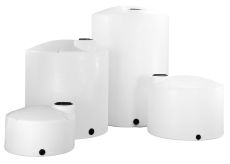
Here at the farm, we are busy designing and installing a rain water capture system to reduce our dependence on subsurface water and supply our plants and trees with natural rain water.
History of Rain Water Capture Systems
Historically, rain water capture systems have been in use a long time dating back to the Middle and Late Bronze Age (2200-1200 BC) in the Middle East, Roman Empire and by Native Americans in North America.
Rainwater was collected during the short rainy seasons and lasted through at least one dry season. These cisterns provided water for home, garden, livestock, and agricultural purposes.
Elements of the Basic Rain Water Capture System
There are six basic components to any type of rain water capture system:
1. Catchment Area/Roof-surface that rain falls on
2. Gutters/Downspouts to move rain water from the Catchment Area to a cistern for water storage
3. Leaf Screens/Roofwashers to prevent debris from entering the system
4. Storage Tanks (Cistern) to store the collected rainwater
5. Using gravity, manual labor, or a pumping system for water distribution
6. Water Treatment (filters plus additives) to settle, filter and disinfect stored water
Cistern Types
Cisterns can take many sizes and shapes, depending on the planned amount of water storage.
Plastics Garbage cans(20-50 gal) Commercially available Use only new cans or
Fiberglass
Polyethylene/Polypropylene
Steel drums (55 gal) Commercially available
Galvanized Steel Tanks
Concrete and Masonry Ferrocement
Stone, Concrete Block
Wood such as
Redwood, Douglas Fir, or Cypress
Quality of Collected Rain Water
Water collected from a roof will vary in quality depending on type of roofing
material. Galvanized steel, aluminum and shingles are the most suitable roofing
materials for rain water collection. Factors to consider before using a roof as a catchment include:
Roof should be smooth�rough surfaces collect dirt and debris which affect
the runoff
Gutters and downspouts should be easily cleaned.
Painted roofs, certain wood shingles and certain asphalt shingles may impart
objectionable taste or odor.
Atmospheric pollution in some areas may affect quality of water from a roof
Rain water picks up dust, soot, bird droppings and other foreign material as it
falls over a roof. Special equipment is recommended to help make rain water more
acceptable for use.
Using Gutter Guards
Screens made of 1/4 to 1/2� hardware cloth and fitted over the roof gutters will
keep leaves, twigs and other material out but let water flow into the gutter.
Roof Washers
A roof washer is
a �trap� to collect the first flow of dirty water from the roof (about 10 gallons for each 1,000 sq ft of catchment) and positioned so that the downspout drains into it. An outlet pipe near the top of the
washer tank is connected to the cistern. A small trickle drain (1/8" hole) in the bottom
of the tank to permit it to empty between rains. Hardware cloth (1/4") is placed over the
top of the washer tank.
Commercial type roof washers are available in various sizes. These washers
contain fiberglass screens and are usually placed over the cistern inlet.
Using Other Means of Filtering Water
Sand, charcoal and gravel combination
filters may also be used for filtering
water before it enters the cistern.
These filters are more expensive
to construct and require more servicing.
Filters usually become highly
contaminated in a short time unless
properly maintained. Cleaning a sand
filter is more difficult than cleaning
a roof washer.
Batch Treatment for Making Rain Water Safe to Drink
Batch treatment is usually done manually as new rain water or hauled water is added to the cistern. First determine the cistern water volume in gallons by measuring depth, width and length (for a circular cistern, measure the depth and diameter). Since free chlorine dissipates with time, weekly treatment is necessary if new water is not added to prevent high bacterial population from returning.
After the water volume is determined, add 1 ounce (volume) of 5% chlorine bleach per 200 gallons of water to the cistern weekly. This gives a maximum disinfectant concentration of 2 mg. free chlorine/liter. This concentration leaves a chlorine taste to the water which dissipates with time.
Batch treatment requires agitation to thoroughly mix the water with the chlorine. Bacteria are eliminated from the water, but sediments in the cistern bottom still contain very high bacterial populations that can contaminate the water above when the free chlorine dissipates.
Cistern water that was superchlorinated (3 to 5 mg. free chlorine/liter) did not eliminate the indicator bacteria (coliforms and P. aeruginosa) in the sediment. Since this sediment mixes with the fresh water each time hauled water is dumped into the cistern, contamination of this water is possible.
A baffle or splashplate will help but not completely eliminate this risk. A splashplate breaks the force of water entering the cistern through the inlet during a rainfall event or while filling the cistern with hauled water.
Removing Undesirable Taste and Odor
Eliminating musty taste and odor as well as color and suspended matter from cistern water requires additional steps.
1. Use chlorination as previously described. The taste of chlorine should disappear in 24 to 36 hours after treatment.
2.If the taste of lime is not removed by cleaning the new cistern (see section on cleaning cisterns), use baking soda. Apply at the rate of 2 pounds of soda in 2 gallons of water for each 1,500 gallons of water in the cistern.
3.If water to the household is provided by a pressure pump, a commercial type filter using activated carbon or charcoal may be installed past the pressure pump. This filter will remove bad tastes and odors, but it will not purify the water. The water must be decontaminated before it passes through the filter.
Removing Undesirable Water Color
Rainwater collected from sooty roofs and gutters or downspouts containing decayed leaves or twigs may have an undesirable dark color. Water from new roofs, especially those of wood shingles, may also have "off' colors. These colors can usually be removed by adding soda and alum to the water. These chemicals will form a sludge or sediment which will settle to the bottom in about 24 hours and carry the color with it. The solution should be prepared as follows:
Solution 1. Dissolve 3/4 pound of ordinary baking soda (sodium bicarbonate) in one gallon of water.
Solution 2. Dissolve 1 pound of alum (potassium aluminum sulfate crystals) in 1/2 gallon water. If available, 1/2 pound of "filter alum" (aluminum sulfate), which is cheaper than alum, may be used and added to 1/2 gallon of water.
CAUTION: Do not use "Burnt Alum."
For each 30 gallons of water in the cistern, add 1/2 pint of solution No. 1 and stir, then add 1/4 pint of solution No. 2 and stir again. The amount of precipitate is relatively small and can be removed from the bottom of the cistern when it is emptied and cleaned.
Cleaning A Cistern
Before a cistern is used, it should be cleaned and disinfected by scrubbing the interior with a solution of 1/4 cup of 5% chlorine bleach mixed in 10 gallons of water. CAUTION: Be sure there is ample ventilation for the workers inside the cistern. Before the cistern is filled with drinking water, the interior should be hosed down until the chlorine odor disappears; then the cistern should be drained.
A cistern should be cleaned every five years or more often in areas with leaves or blowing dust or homes with coal or wood stoves.
 email us at
lenkubiak.geo@yahoo.com">
|